SEARCHING AND OPERATING IN AN EMERGING MARKET

April 26, 2018
by a searcher from Harvard University - Harvard Business School in Naucalpan, Méx., Mexico
 SEARCHFUNDER INTERVIEW OF VICENTE ARIZTEGUI LEGORRETA – PART II.
 We spoke with Vicente Legorreta of Arpa Capital which acquired 4P/MX in Mexico City. In this Part II, Vicente discusses searching and operating in an emerging market and investor relations.
What are the differences you’re hearing between searching in the USA and Mexico?
There are major differences from the US. In one of my first experiences, I joined a conference call with 20 or 30 other searchers that was organized by one of the Harvard professors, who is involved in the search fund process. After a month or two, I’m hearing from all of the US searchers that they had analyzed 500, 600, 700 or 1000 companies. Wow, we probably had seen 20, 30, maybe 40 companies. The level of deal flow is vastly different because the market is not as sophisticated. There’s not as many sophisticated advisors or brokers in the industry. There is not a culture of buying and selling businesses as easily as you do in the US. In Mexico, there are a lot more family-owned businesses. Sellers are very reluctant to go into the process. Finally, there is very little access to information. So, it’s hard to find good companies and good transactions just by going on the web or by analyzing an industry through research. You have to do a lot through your network. The proprietary search in a country like Mexico is definitely the best way to go.
The second difference is that the thesis has to be much more about growth rather than financial structure. In the US, you can leverage acquisitions much easier than Mexico. For example, the business we invested in was a newly created company. The two brothers actually operated as individual brokers. They did not have financial statements, and obviously were not audited. So, it would have been impossible to take it to a bank to try to get a loan to fund the acquisition. It was 100% equity. For the deal to make sense, you need to believe that you can grow the business. In a market like Mexico, it’s important to look for those drivers of growth and believe that you will be able to exploit that growth, rather than depend on just the cash flow that the company generates.
What about differences on the operational side?
First, businesses are much less sophisticated. Even for small companies in the US, you have the minimum processes, systems, and financial statements. I think US businesses are much better set up than in Mexico. Here, you find companies that are a complete mess. You need to take that into account and know that the first few months will be hard. You will not be able to grow a lot because you will be getting the house in order first. You’ll dedicate a lot of time to building the right structure and gathering information to be able to measure things.
Finally, one of the most important differences is talent. In developed markets, you have a lot more talent to bring into the company. In Mexico, this has been by far our biggest challenge. HR is probably our most important department right now. We go through so many screening interviews. It is very hard. The level of education in Mexico is lower than in the US. The mindset of getting things done and getting triple A guys in Mexico is a huge challenge.
Have you had to scale back some of your growth plans due to the talent situation?
During the first year, we did have to pull back a little bit. Our original business plan was somewhat aggressive on Year 1. We thought we were going to hit the ground running and be growing. In reality, that was not the case; we had to step back a little bit in the first year. We had to invest in IT and bringing on the right people. The first year we grew about 5% versus the 30% we had anticipated in the original business plan. It eventually paid off. Year 2 was a really good year. We ended up growing close to 50% in revenue and EBITDA. We did have to scale back our plans in the short term, but in the long run we believe it will pay off.
One of the differences I see in search funds in the emerging markets is in the holding period. Given that it takes longer to bring on people, longer to structure the company and longer to grow it, I think the holding time for Search Funds in emerging markets should be a little longer than in the USA. In our case, I expect the value to be generated in a longer term than in the US. At times, it is tough because investors want to see results immediately and numbers are very cold. When people are 10,000 feet away from the investment, it’s very easy to judge it according to the original business plan. In the long term, we know the strategy remains the same and that it is matter of time before we catch up.
Sounds like you might have had some tough conversations with your investors at the end of Year 1?
That is correct. After Year 1, we had tough questions from our investors and board members. They were questioning a lot: What was going on? Why were we not growing as expected? It is tough as a searcher. On the one hand, you want to convince them that it was the right investment and that you actually presented the best company to invest in. At the same time, you want to show them that the company had many issues to fix and that you have to get things together. You want to explain how many changes you must make for the business to be scalable. It’s tough because the two things do not match. It is hard to transmit that message.
In my opinion, it’s a matter of being consistent, providing the same message to investors and trying to keep them patient. Also, be very transparent. The times you do not share the whole picture definitely comes back to haunt you. If things are not going according to plan, then say the reasons, do an analysis of why and what you will do to change it. We had those tough conversations with our investors. In the end, we thankfully handpicked our investors and they were a good fit for us. We were selective about our investors and have a great group. They question a lot, which is what we want. They have been very supportive. They’ve opened a lot of doors for us. Our investor network has generated a lot revenue for the operating company as well. They have been tough investors and a tough board, but helpful through the process.
Any other advice for searchers who are just buying their company?
In line with the last point, I would say: the importance of having a strong board. As a searcher, you sometimes do not realize how much value they will be generating. We have a tremendous board of directors with a lot of experience in the industry and in business in general. It’s amazing how much help you can get from people like them. Having a perspective from outside with actual experience running a company is useful and adds value. When you are in the day-to-day, you can get siloed in your idea. My advice is to get the best board members available even if it means they are going to be tough on you and questioning and pushing you a lot. It is much better than having someone more passive who is not adding that value.
Summary of Insights
Here are a few of the key takeaways from our discussion with Vicente:
- • If one search method is not working well for you, it may pay off to be flexible in your strategy;
- • Good transactions can be found early in a search;
- • Good alignment in incentives with the seller can be beneficial in both the close and the ongoing operations of the business.
- • Be mindful of making decisions sooner than later about people who are not a good culture and skill fit.
- • Making a big shift in culture can be very challenging in family-owned businesses, requiring steady pushing and an infusion of new talent at the management level.
- • You can’t do it all yourself. So, providing the necessary feedback and guidance, plus having the right people in the right roles is key.
- • If you have the opportunity to do so, choose investors and board members who will be supportive (even if tough and questioning) and adding value.
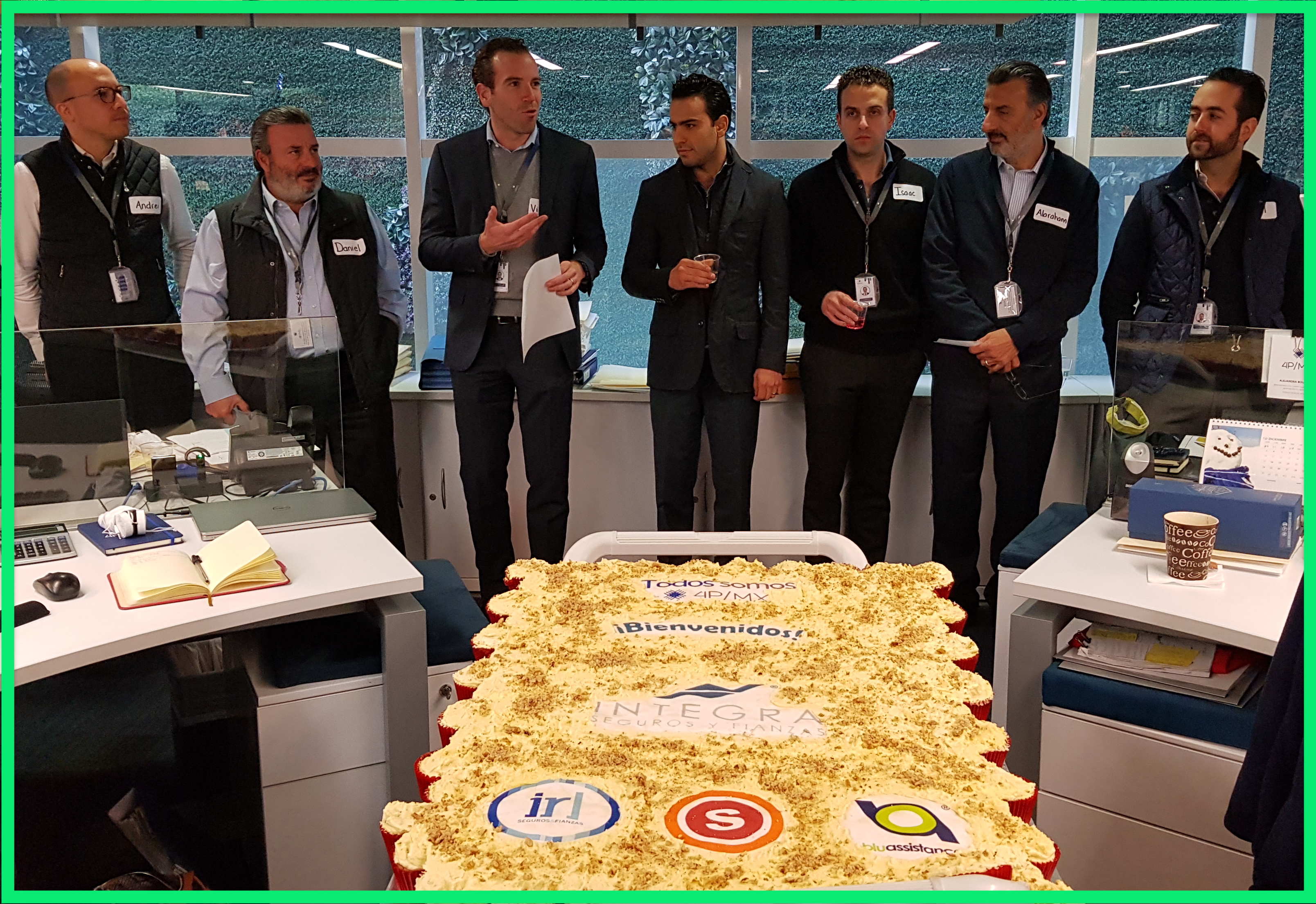
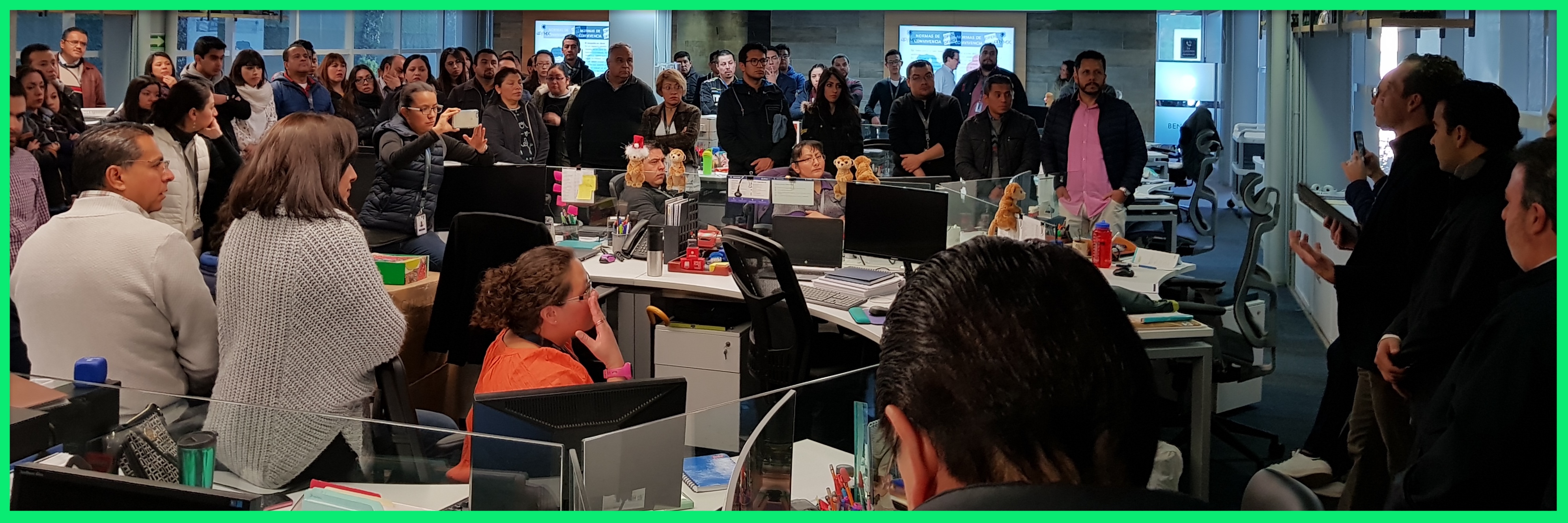
Photos: Announcing an add-on acquisition.
from Obafemi Awolowo University Ile in Abuja, Nigeria
in R. Ferreira de Araújo, 221 - Alto de Pinheiros, São Paulo - SP, Brasil