BETTING ON YOUR SUCCESS (Searchfunder Interview)

August 05, 2018
by a searcher from Massachusetts Institute of Technology - MIT Sloan School of Management in Nashville, TN, USA
BETTING ON YOUR SUCCESS
SEARCHFUNDER INTERVIEW OF
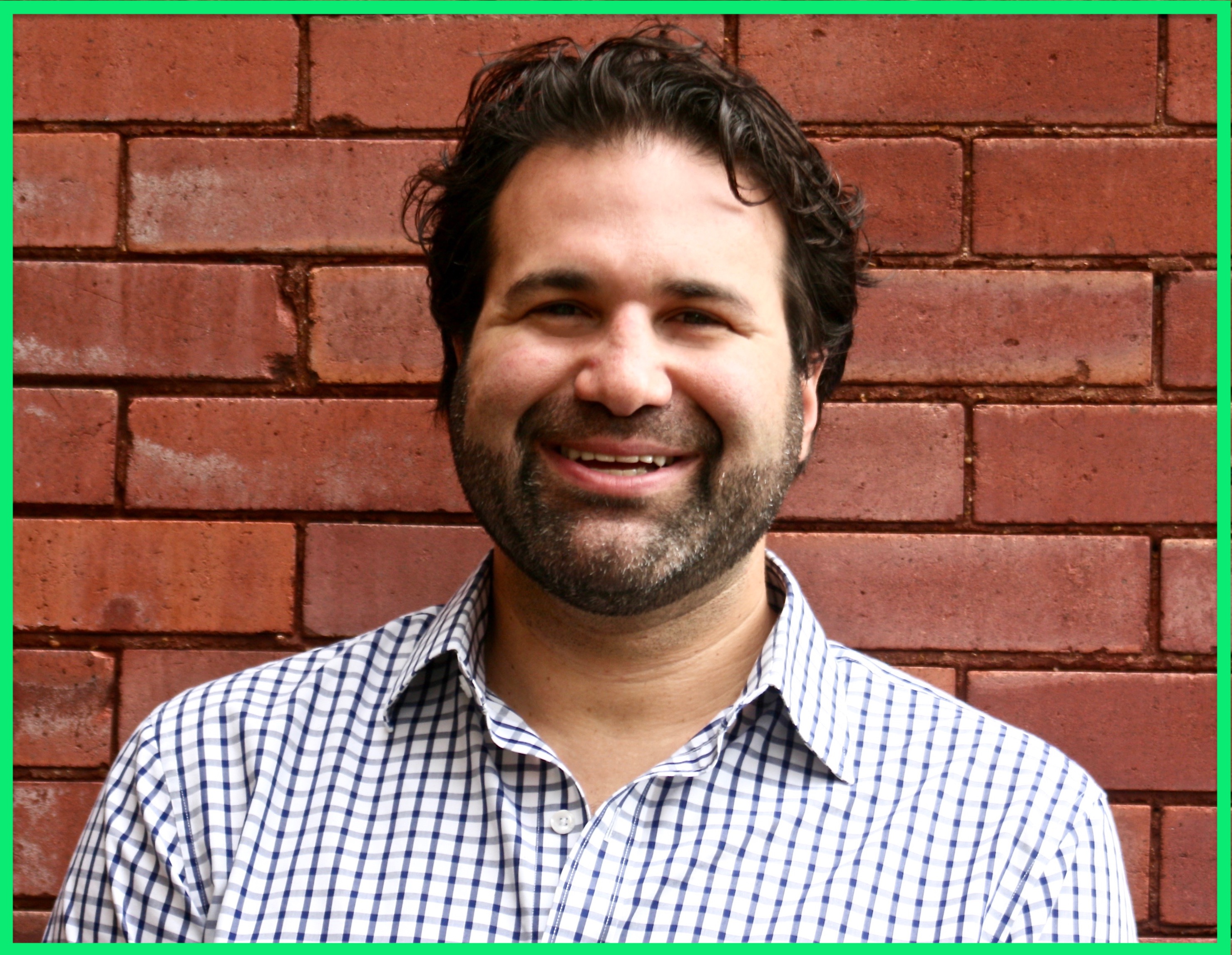
MAX SADLER, PART I
Were you primarily
searching in Nashville?
I conducted a national search out of Somerville Massachusetts. I had
LOIs in Michigan, Missoula, Montana, Nashville, etc. I was very industry focused. I believed in
getting deals under LOI relatively quickly.
A deal that wasn’t under LOI is a bit like trying to ask someone out
without knowing if they have a partner or significant other. She can be the most beautiful girl in the
room, but if she’s got a husband or a boyfriend then she’s probably not that
interested in a date. I was trying to
weed out the companies that just wanted a free valuation at my expense and
weren’t for sale, considering that the vast majority of my process was
proprietary. I had to figure out if they
were for sale, which was by handing them an LOI and talking price.
Tell me about investor
relations during the search phase?
Communicating with the investors during the search is important because
you are selling yourself and you are selling your ability to raise money and
run the deal. So, at least in my
experience, I didn’t know some of my investors who had invested in me in my
first round. It gave me an opportunity
to get to know them better. Also, the
part of the process that I hadn’t thought about – or hadn’t been presented to
me – was that some of my first-round investors are going to say no to the
acquisition. Every time I had a deal
under LOI, I had to very quickly gauge my investors’ interest. I needed to have a relationship with them to
be able to predict the chances of close.
For example, Investor X doesn’t like software deals, so the chance of him
following on are slim. Is that okay
because Investor Y or Z take up the slack? Having relationships with people
outside of my first-round base was important because the majority of my
second-round capital for the acquisition actually came from outside. Between the time I raised my search fund and
the time that I bought my company, institutional money entered the search fund
space that hadn’t been there just a year before.
Wouldn’t institutional
investors have a different lens from the search fund investors?
This was institutional money that was search fund savvy. I hadn’t met these people. They had never
received a quarterly report from me while I was searching. We didn’t have a
history. I don’t know if that history
would have been meaningful or not.
How often were you communicating
with your investors?
As the LOIs came up. Keep in
mind, though, that I wrote 7 LOIs during my 11-month search.
You were searching in
2010 as we were pulling out of the recession. Did you feel like there were bargains
to be had?
There were bargains to be had. We paid less than five times, but debt was hard to come by. We bought the business in 2011. It didn’t look like the global economy was going to go off a cliff. To put it in perspective, I recall the Dow was about 11,000 to 12,000. Debt was harder to come by. The world was very different then. It’s all cyclical but I hope we never get back to that again.
Did you have interns?
I had a good number of interns. Being in Cambridge/Somerville made it easy to
find interns. I had better success with Babson, Boston U and Brandeis interns
than Harvard interns.
Looking at the LOIs that
didn’t make it to final close, are there issues that stand out for you?
Each one is different. One of
the companies we looked at would have been the one of the most successful
search fund deals – had we bought it – because six months later it was bought
by Dell. It was a crazy deal. It was a 5-person
software company in the Pacific Northwest.
It was printing cash – 75% EBITDA margins – with recurring revenue. I remember when I was there in October 2010,
the search fund community wasn’t having that kind of deal. Perhaps, now we would have been able to
close. It was 4.5x EBITDA. Search fund
investors were not paying over $13 million for this little strange recurring
revenue company, even if it was growing fast.
I think it would happen now, but it was just ahead of its search fund
time. I couldn’t raise the money.
What about other LOIs?
I had another deal under LOI that another searcher had had under LOI a
couple years earlier. Neither of us
could get comfortable with the seller.
The seller has since gone to jail for fraud. You can find a copy of his mug shot on the
internet. I recall killing the deal on a Friday. He was asking me if there was any way we could
continue the deal and he could in essence get $1 million out of the deal. I remember running the numbers and wasn’t
able to do it. It was a good company on
paper but he was sketchy.
Tell us about
transitioning from searcher to operator?
On my first day, my Sellers had told a couple of the longtime employees
beforehand. Two of those employees went
out and got drunk in the middle of the afternoon. One of them heckled me, while we were
announcing the sale.
How long did that person
last at the company?
I was ready to fire him that day, but the Sellers told me he was
indispensable to the operations of the company. So, he stuck around a little longer. This person acted out again in some other
way. I asked one of the Sellers who
stayed on for a period of time to do the firing.
How did you handle it in
the moment with the rest of the team? Were you concerned that the other
employees wouldn’t take you seriously?
I felt that remaining cool in the moment was the way to go. I was
scared of making waves. I am not from the South. I was 31 years old and trying to run a
company. I wish I had been stronger and
more decisive. Searchers and business
people do not like to talk about being afraid a lot. But, it is a fear inducing situation, I am
walking into the unknown and people are going to be judging me.
Did the culture of
Advanced Networks Solutions fit your style given that you are not a Southerner?
The culture was okay because it was a tech company. The average age was pretty young. Engineers are pretty much the same wherever
you go. It’s about the type of job you
do.
I overestimated the quality of the culture in the business because the
sellers told me so. I didn’t realize
there was some discontent under the hood. There were some duplicitous employees
in the background. Things weren’t all
on the up and up. I might have been a little naive in seeing where the loyalties
lie. I didn’t pull the trigger fast
enough on people who were undermining our vision.
I think that’s true in a lot of places.
I’ve been consulting with multiple search funds and small companies. I see it in virtually every search fund deal
and company. Those people exist – those who are loyal to the former
owners. No matter what the new ownership
does they will not buy-in or will undermine it or will long for the way it used
to be. Operators are scared to remove those people due to institutional
knowledge. Those people are a
cancer.
I’ve been on both sides of it and people long for how it used to
be. The employees always give a lot of praise
the former owners. I’ve never said it,
but sometimes, I want to shake them and say, “You know the seller sold your jobs?”
I’ve had my job sold in my career. It’s
not a good feeling, but at the end of the day the owners did what was right and
my job was a casualty.
It
might be a little bit of the devil you know versus the devil you don’t?
Of course. I had a job I loved
sold to a publicly traded company. The
sellers aren’t to blame because they sold it to the highest offer.
What
did you think the benefits are of making personnel changes more quickly?
You get the people you want into the company. I think institutional
knowledge is overrated. As the operator,
if you are doing your job and everything is well-documented, then no single person
can hold the company hostage. Ultimately, it’s the belief that the company will
fail if a single person quits. I’ve never been part of a company that actually
falls apart if a single person quits – although that’s why we’re taught not to
have our name on the door of a company.
I should have fired the drunk employee in front of everyone. Being drunkenly heckled at the company I am
the CEO of is unacceptable behavior and I should have fired him on the spot.
Do you think it would
have set a different tone for the company that was a good one?
I don’t know if it would have been a good or bad one – but it would
have been different. I regret I didn’t
make that decision because I went against what I believed was right and
deferred to other people. It would have
set the tone that I meant business.
That’s true.
It turned out this guy
wasn’t as critical as you were told, but what if he had been the linchpin
holding the whole thing together?
Yeah, I let fear drive the boat.
I’ve
definitely seen some close calls.
There are some close calls. That’s why you have non-competes and
non-solicit agreements with key people. Identifying key employee risk early on
and locking those people down is important.
If it becomes abundantly clear that that person is a cancer and
undermining you, being able to honestly say,
“I made a promise to my investors that I would work
my hardest to get this company to X million dollars in revenue in 5 years. If
this person is going to prevent me from reaching that goal, then why am I
betting my career on this person? After all, this person is not betting on me.”
Keep in mind I’ve made this mistake. I think it’s the biggest mistake
searchers make. The person who is
employee number 4 who grows the company from 0 to $10 million is not going to
be the same person who is going to grow it from $10 to $20 million. That is the search fund hypothesis. So, we shouldn’t think that all of the
employees who got it from 0 to $10 million will get it to $20 million. For example, to go from $10 to 20M, you don’t
need a bookkeeper, you need a controller or CFO. You don’t need 1 sales person who takes all
the in-bound leads, you need a sales team with a sales leader. A search fund purchase is a great
opportunity to upgrade the leadership.
Many searchers, including myself, are afraid to disrupt the apple cart.
After about a year, you
switched over from CEO to VP of Sales. Was that part of the recognition of
needing to switch for the better of the company?
The Chairman of our Board who was local to Nashville wanted to be the CEO of the company for the best of the company. The company grew really quickly recurring revenue-wise. We wanted to build out sales and marketing to continue that growth. At that point in my life, I preferred not to be the #1 guy at the company. I stepped aside and let him run it. I built out a repeatable sales and marketing engine at ANS.
For Part II of this interview: The Importance of Coaching & Mentorship, go to https://www.searchfunder.com/article/viewarticle/1957 .
from Harvard University in 1970 Walton Dr, Burlington, WA 98233, USA
from Massachusetts Institute of Technology in Nashville, TN, USA